


Winter Car Detailing Tips to Protect Your Vehicle

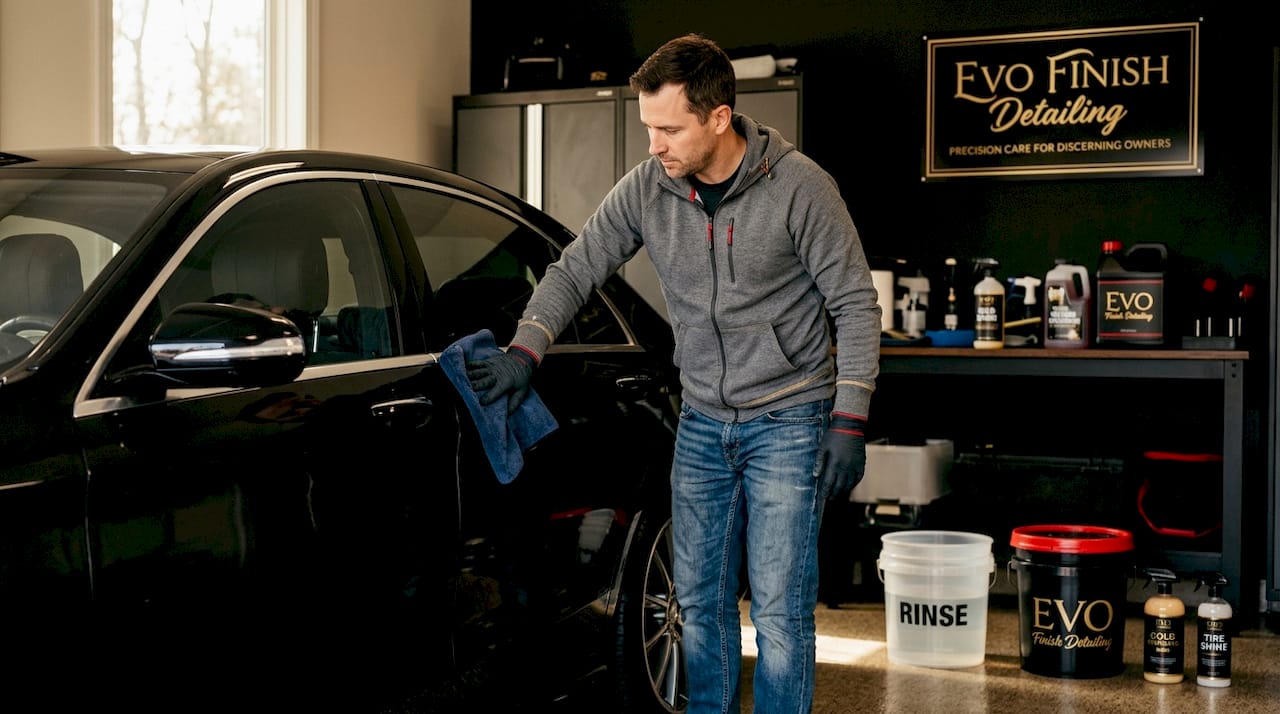
Winter is the harshest season for your vehicle, and skipping proper car care during these months can cost you far more than a professional detail ever would. Salt, road grime, slush, and freezing temperatures work together to accelerate corrosion, crack rubber seals, and permanently damage paint. Effective winter car detailing, known in the professional world as cold weather paint protection and surface maintenance, is not optional if you want to preserve your vehicle’s value and appearance. These practical winter car detailing tips cover everything from washing technique to ceramic coatings so you can protect your investment all season long.
Table of Contents
Key takeaways
Point | Details |
Wash frequently in winter | Remove road salt before it bonds to paint, undercarriage, and trim surfaces. |
Use the two-bucket method | Separate buckets for soap and rinse water prevent micro-scratches during winter washes. |
Apply ceramic or sealant protection | Nanotechnology coatings bond at the molecular level and repel salt far better than wax. |
Don’t ignore the undercarriage | A quick rinse underneath your vehicle stops corrosion on brake lines, suspension, and exhaust. |
Protect your interior too | Salt crystals in carpet fibers can cause permanent discoloration if not removed right away. |
1. Winter car detailing tips start with proper washing technique
The single biggest mistake car owners make in winter is going too long between washes. Salt bonds to paint and metal within hours of contact. Once it bonds, it starts pulling moisture into microscopic surface imperfections and triggers rust.
Washing in winter requires a few adjustments from your warm-weather routine:
Wash every 7 to 10 days when roads are salted, even if the car does not look dirty
Use warm water whenever possible since warm water dissolves salt faster and makes the process easier on your hands
Start with a pre-wash using snow foam or a waterless cleaner to loosen grime before any contact with the paint
Never wash in freezing temperatures unless you have access to a heated bay, since water will refreeze in locks, seals, and trim gaps
Dry thoroughly, especially door jambs, fuel doors, mirror housings, and window channels
Pro Tip: Use a forced-air blower or a leaf blower on a low setting to push water out of crevices your microfiber towel cannot reach. It takes two extra minutes and prevents freezing seal damage later.
The two-bucket method is the industry standard for a reason. One bucket holds your soapy wash solution. The other holds clean rinse water where you clean your wash mitt before reloading it with soap. This keeps abrasive grit from transferring back to your paint and creating the fine swirl marks you see under direct sunlight.
2. Choosing the right protective coating for winter
Not all paint protection products perform equally when temperatures drop and salt spray is constant. Understanding the difference between your options determines how much maintenance work you do all winter long.
Here is a direct comparison of the three main protection types:
Product type | Winter durability | Salt resistance | Application frequency |
Carnauba wax | Low (weeks) | Poor | Every 4 to 6 weeks |
Synthetic paint sealant | Moderate (months) | Good | Every 3 to 6 months |
Ceramic coating | High (years) | Excellent | Professional application once |
The shift toward nanotechnology-based ceramic coatings is one of the most significant developments in cold weather car care. These coatings bond at the molecular level to your clear coat, creating a hydrophobic layer that causes water, salt, and road grime to bead off rather than sit and penetrate. Maintenance between washes becomes dramatically faster because contaminants simply do not stick the same way.
For auto detailing tips for luxury cars specifically, ceramic coatings are not a luxury. They are the standard. You can explore premium detailing for luxury vehicles to understand how protection choices differ when the paint correction requirements are more demanding.
Pro Tip: Apply trim protectant to all exterior plastic and rubber trim every 30 to 45 days through winter. This prevents the gray, chalky fading that makes even well-maintained cars look neglected.
Do not overlook your wheels. Wheel sealants applied before the first snowfall protect alloy finishes from brake dust and road salt, and make weekly wheel cleaning significantly easier. This is one of the most overlooked auto detailing maintenance tips that pays off immediately.
3. Undercarriage and hidden area cleaning
This is where most owners fail completely, and where winter causes the most expensive long-term damage. You cannot see your undercarriage on a daily basis, so it is easy to ignore. Salt accumulates on your suspension components, brake lines, exhaust system, and frame rails. It sits there between washes and accelerates corrosion from the inside out.
Here is what to focus on during every winter wash:
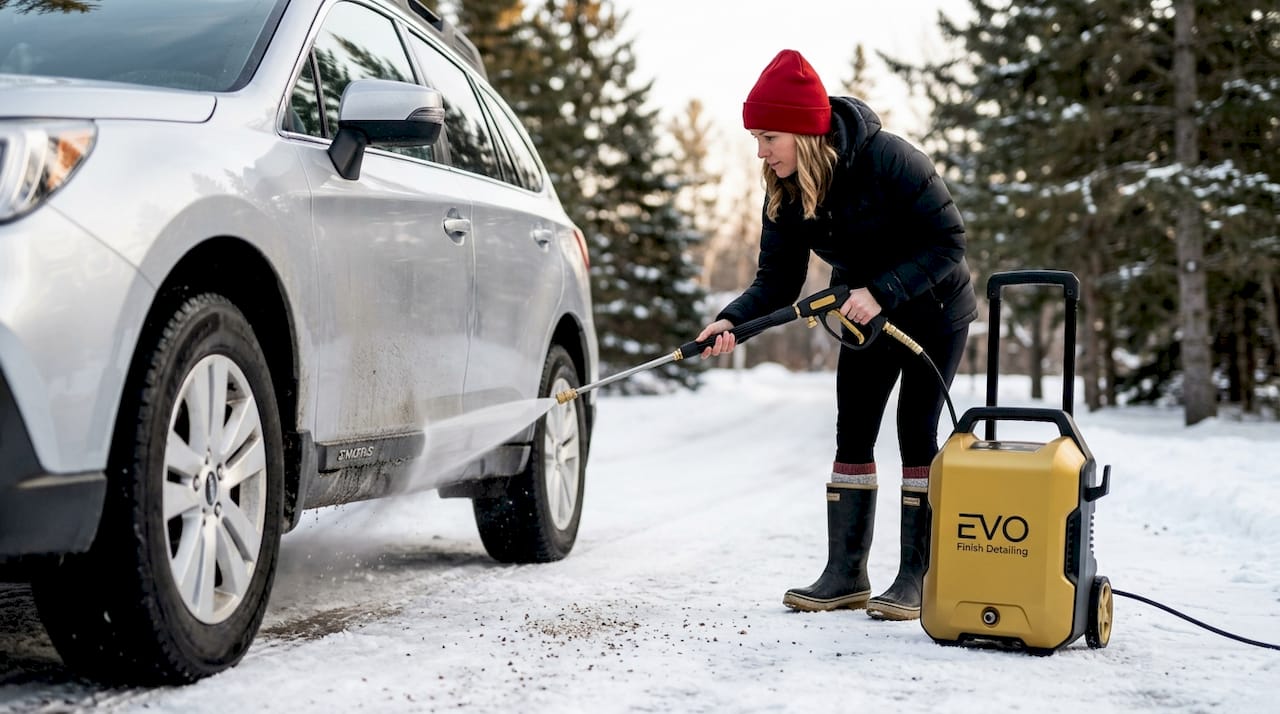
Full undercarriage rinse with a jet washer using a wide-angle tip, working from front to back
Wheel wells where packed slush holds moisture against the inner fender and body seams
Door jambs and door bottoms, which channel water and road spray directly against bare metal
Fuel door recess and trunk seal channels where water pools and goes unnoticed
A full underbody rinse takes about two minutes and is the single most effective thing you can do to prevent long-term corrosion on your brake lines and exhaust. Two minutes. That is the trade-off against a repair bill that can reach into thousands of dollars.
For auto detailing tips for aging vehicles, this matters even more. Older vehicles have thinner factory undercoating and more micro-cracks in seams where salt can penetrate. If you own a vehicle with more than five years of exposure to road salt, a professional undercarriage inspection and sealer application is worth considering before winter hits hard.
4. Interior detailing to fight salt, moisture, and cold damage
Your interior takes a beating every time someone steps in from a salted parking lot. The problem is not the visible wet slush. The problem is what happens after it dries. Salt crystals in carpet permanently discolor fibers if they are not removed before they bond. Once that discoloration sets, no amount of scrubbing restores the original color.
Here is a practical interior routine for winter months:
Vacuum carpet and floor mats every week, not just when it looks dirty
Blot wet areas immediately with a clean microfiber cloth instead of rubbing, which spreads salt deeper into fibers
Clean and condition leather seats every two to four weeks since cold, dry air pulls moisture from leather and leads to cracking
Wipe door panels and door seals after every wash to remove moisture that freezes and tears rubber
You can use this interior detailing checklist to build a routine that covers every surface without spending hours on it. The key is consistency over intensity. A five-minute wipe-down after each wash beats a three-hour deep clean every six weeks.
Pro Tip: Silicone-based rubber protectant applied to door seals after washing prevents the freezing issue that tears door seals and causes doors to stick shut. A small amount on a microfiber applicator does the job in under a minute.
For car detailing steps for mature owners, protecting the interior is often the priority. Leather conditioning and careful carpet care protect the resale value and keep the cabin comfortable, which matters when you are spending time in the vehicle regularly.
5. Using the right products for cold weather conditions
Not every detailing product works in cold temperatures. Some spray detailers thicken or separate below 50 degrees Fahrenheit. Certain waxes become impossible to buff cleanly. Choosing the right products for winter conditions is one of the most practical auto detailing mistakes to avoid.
The best detailing sprays for luxury cars in winter are waterless or quick-detailer formulas specifically rated for use in cold weather. Look for products labeled for use down to 32 degrees Fahrenheit, with hydrophobic carriers that do not leave streaks when the temperature drops. Ceramic-infused spray detailers add a thin protective layer with each use and work well as a maintenance product between full washes.
For exterior surfaces, ceramic coating methods that bond at a chemical level outperform traditional waxes when salt exposure is constant. These professional-grade products are not something you apply in a cold garage over a weekend. They require proper surface preparation, a controlled environment, and trained application technique to perform correctly.
You can review a range of exterior detailing methods that explain how product selection affects long-term protection outcomes, particularly for paint that has already seen some winters.
6. Protecting rubber seals and weatherstripping
Rubber seals are one of the first things to fail in winter, and one of the least discussed parts of cold weather car care. Door seals, trunk seals, sunroof seals, and window channel seals all contract in cold temperatures. When they are dirty or dry, they lose their flexibility and develop small cracks that let water in.
The fix is simple. After every wash, apply a silicone-based protectant to all rubber surfaces. This keeps them pliable, prevents moisture from bonding, and stops the freezing-shut problem that frustrates car owners every January. For luxury auto cleaning methods, this step protects not only the seals but also the painted surfaces around the openings, since torn or hardened seals often cause paint chips when doors are forced open.
Do not use petroleum-based products on rubber seals. They degrade the rubber over time and create a greasy residue that attracts grime. Dedicated silicone seal conditioners are inexpensive and available at any auto parts store.
7. Creating a consistent winter detailing schedule
All of these steps only work if you do them consistently. A ceramic coating applied in October does not perform well if the vehicle goes unwashed for six weeks while salt builds up on the surface. Consistency is the real auto detailing maintenance tip that most people miss.
A practical winter schedule looks like this: wash every seven to ten days, reapply trim protectant every 30 to 45 days, condition leather every two to four weeks, and inspect door seals and undercarriage once a month. If you have a professional ceramic coating, a maintenance spray after each wash is all the protection you need in between seasonal professional services.
For those following car detailing steps for a vehicle with high mileage or previous paint damage, building this schedule around a professional seasonal detail makes the most sense. Start with a full paint correction and protective coating application before winter. Then maintain it yourself week to week.
My honest take on winter detailing
I’ve watched car owners spend thousands on paint correction in spring to fix damage that a $20 wash mitt and consistent winter care would have prevented entirely. What surprises me every season is how often the undercarriage gets ignored. People wax their hoods every month but never rinse under the vehicle. That’s where the real damage happens.
Here’s what I’ve learned working with hundreds of vehicles through brutal winters: professional-grade ceramic coatings genuinely change how much work winter maintenance requires. Home waxes feel like protection, but they break down within weeks under salt exposure. A properly applied ceramic coating cuts your actual maintenance time in half because contamination simply does not bond the same way. The cost difference over three years is not even close when you factor in what you save on paint correction.
The other thing I’d push back on is the idea that older vehicles don’t need winter detailing because they’ve “already seen better days.” The opposite is true. Auto detailing tips for aging vehicles are more time-sensitive, not less. Thin paint, compromised seals, and existing rust points mean winter salt causes exponentially more damage on an older car. Protecting it now costs far less than addressing accelerated rust and paint failure later.
— EVO
Keep your vehicle winter-ready with Evofinish
Winter protection requires more than a quick rinse at the gas station. At Evofinish, we bring professional-grade precision detailing directly to you, no matter the season.

Our ceramic coating and paint correction services give your vehicle the molecular-level protection that holds up against road salt, freeze-thaw cycles, and constant grime. Mobile service means we come to you, which matters when the weather makes driving to a shop inconvenient. Whether you need a full winter prep detail or a maintenance service mid-season, we deliver meticulous, lasting protection with guaranteed satisfaction. Book your detail now and get your vehicle protected before the next storm hits.
FAQ
How often should I wash my car in winter?
Wash your car every seven to ten days when roads are actively salted. More frequent washing prevents salt from bonding to paint and metal surfaces where it triggers corrosion.
Is ceramic coating worth it for winter protection?
Yes. Nano ceramic coatings bond at the molecular level and repel salt far better than traditional wax, reducing both surface damage and maintenance time throughout the season.
What’s the biggest winter detailing mistake to avoid?
Skipping the undercarriage rinse is the most costly oversight. A two-minute jet wash underneath your vehicle protects brake lines, suspension, and exhaust from the salt corrosion that causes the most expensive repairs.
Can salt in my carpet permanently damage it?
Yes. Interior salt crystals discolor carpet fibers permanently if left untreated. Vacuum and blot wet areas after every snowy trip before the salt dries and sets into the fibers.
Should I detail my older car in winter?
Absolutely. Older vehicles with thinner paint and worn seals are more vulnerable to winter damage, not less. Consistent cold weather car care on an aging vehicle prevents accelerated rust and protects resale value significantly better than skipping it does.
Recommended
Comments